
7 Main Liver Cancer Risk Factors Warning Signs to Know in Cameroon
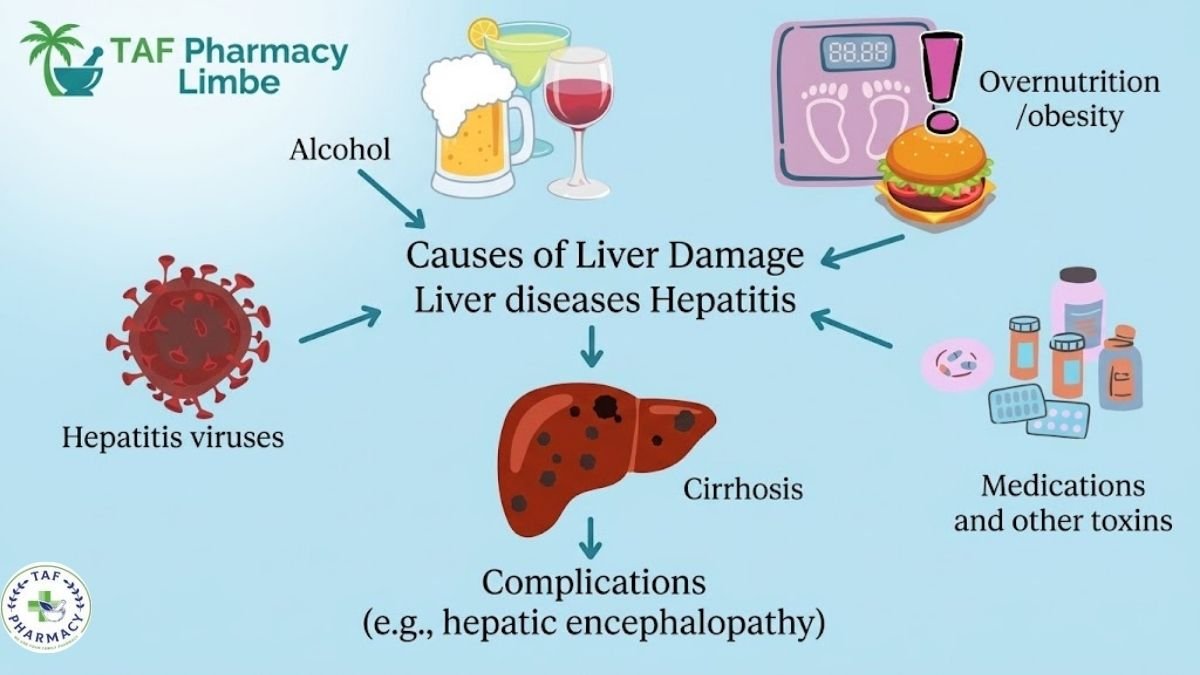
Your liver works quietly every day—but some conditions can damage it for years before obvious symptoms appear. The most important risk factors for liver cancer include chronic hepatitis B or C, cirrhosis, heavy alcohol use, smoking, excess body weight and type 2 diabetes. For people in Limbe, Buea and across Cameroon’s Southwest Region, understanding liver health is not about assuming every stomach problem is cancer. It is about knowing which risks deserve attention, recognizing persistent changes in your body, and getting appropriate medical advice when something does not feel right.
What is liver cancer?
Liver cancer is cancer that begins in the liver. Hepatocellular carcinoma (HCC) is the most common type of primary liver cancer in adults. One of the biggest concerns is that liver cancer may not cause obvious symptoms in its early stages. When symptoms do appear, they can overlap with many other health conditions. That is why a symptom alone cannot tell you that you have liver cancer. Proper medical evaluation is needed.
What are the main causes and risk factors for liver cancer?
Liver cancer is strongly associated with long-term liver damage, especially chronic hepatitis B or C infection and cirrhosis, but several other factors can increase risk.
1. Hepatitis B
Chronic hepatitis B virus (HBV) infection is one of the world’s major risk factors for liver cancer. Hepatitis B can cause long-term inflammation and damage to the liver.
The good news? Hepatitis B can be prevented with vaccination. WHO recommends hepatitis B vaccination as an important part of prevention.
2. Hepatitis C
Long-term hepatitis C virus (HCV) infection can cause chronic liver damage, cirrhosis and increase the risk of liver cancer.
Unlike hepatitis B, there is currently no vaccine for hepatitis C, but modern antiviral medicines can cure many HCV infections.
3. Liver cirrhosis
Cirrhosis means significant scarring of the liver.
It can develop after years of liver damage caused by conditions such as chronic viral hepatitis or heavy alcohol use. Cirrhosis is an important risk factor for liver cancer.
4. Heavy alcohol use
Long-term heavy alcohol consumption can damage liver cells, cause inflammation and contribute to cirrhosis, which increases liver-cancer risk.
5. Smoking
Tobacco use is also associated with an increased risk of liver cancer.
6. Excess body weight and fatty liver disease
Excess body weight can increase the likelihood of metabolic dysfunction-associated steatotic liver disease (MASLD), a condition involving excess fat in the liver. Some people with progressive liver disease can develop cirrhosis and increased cancer risk.
7. Type 2 diabetes
Type 2 diabetes has also been associated with increased liver-cancer risk, particularly when other risk factors are present.
What are the warning signs of liver cancer?
Possible warning signs include unexplained weight loss, loss of appetite, nausea or vomiting, abdominal swelling, abdominal discomfort and yellowing of the skin or eyes.
Some people may notice:
- Loss of appetite
- Unexplained weight loss
- Nausea or vomiting
- Feeling unusually full after eating a small amount
- Pain or discomfort in the abdomen
- Swelling or fluid buildup in the abdomen
- Yellowing of the eyes or skin (jaundice)
- Unusual tiredness or weakness
- Fever or itching in some cases
But here’s something important: Having one of these symptoms does not mean you have liver cancer. Many ordinary illnesses and liver conditions can cause similar symptoms. The purpose of knowing these signs is not to panic—it is to know when a persistent or unusual change deserves medical attention.
What is ascites, and why can the stomach become swollen?
You may have heard the word ascites before. Ascites is an abnormal buildup of fluid inside the abdomen. It can occur with advanced liver disease and other medical conditions. A swollen abdomen therefore should not automatically be interpreted as cancer. However, unexplained or persistent abdominal swelling should be assessed by a healthcare professional.
Can liver cancer be prevented?
Not every case of liver cancer can be prevented, but reducing known risk factors can lower the risk.
Simple steps include:
- Know your hepatitis status. Ask a healthcare professional whether hepatitis B or C testing is appropriate for you.
- Protect yourself against hepatitis B. Vaccination is an important prevention measure.
- Avoid tobacco.
- Limit or avoid alcohol.
- Maintain a healthy weight and stay physically active.
- Manage diabetes and other long-term health conditions.
- Seek medical attention when unusual symptoms persist.
In tropical and subtropical regions, food-storage practices also matter because aflatoxins, toxins produced by certain molds that can contaminate foods such as grains and groundnuts, are another recognized liver-cancer risk factor.
How can TAF Pharmacy Limbe support your health?
TAF Pharmacy Limbe can be a convenient first point for health information, medication guidance and appropriate referral when a concern needs medical assessment. if you are concerned about hepatitis, liver health, a prescription, or persistent symptoms, speak with a qualified healthcare professional rather than trying to diagnose yourself from symptoms online. Depending on the services currently available at the pharmacy, the TAF Pharmacy team can also guide customers on appropriate health services, medicines and when medical consultation may be necessary.
📍 TAF Pharmacy Limbe
🕐 Monday–Saturday: 7:00 AM–8:00 PM
💬 Have a question? Contact TAF Pharmacy Limbe through WhatsApp.
Liver Cancer: Causes vs. Warning Signs
| Category | What to Know |
|---|---|
| Major risk factors | Hepatitis B, hepatitis C, cirrhosis |
| Other risk factors | Heavy alcohol use, smoking, excess body weight, type 2 diabetes |
| Possible warning signs | Loss of appetite, weight loss, nausea, vomiting, abdominal swelling or discomfort, jaundice |
| What to do | Persistent or unusual symptoms should be medically assessed |
| Prevention | Hepatitis B vaccination, reducing tobacco/alcohol exposure, healthy lifestyle and appropriate medical care |
The takeaway
Your liver may not complain loudly when something is wrong.
Knowing your risk factors, protecting yourself from hepatitis, maintaining healthy habits and paying attention to persistent changes can help you take your health seriously without living in fear. And remember: a symptom is a signal to investigate—not a diagnosis. if something about your health has changed and you are concerned, speak with a qualified healthcare professional.
About this article
This educational article was prepared for TAF Pharmacy Limbe using current guidance and medical information from the World Health Organization and established cancer-care resources. It is intended for general health education and does not replace examination, diagnosis or treatment by a qualified healthcare professional.
Sources for the TAF Pharmacy editorial team
- World Health Organization — Hepatitis B
- World Health Organization — Hepatitis prevention and treatment
- American Cancer Society — Liver Cancer Risk Factors
- American Cancer Society — Liver Cancer Signs and Symptoms
- American Cancer Society — Liver Cancer Prevention
Can hepatitis B cause liver cancer?
Yes. Chronic hepatitis B infection can increase the risk of liver cancer, especially when it causes long-term liver damage. Hepatitis B can also be prevented with vaccination, making vaccination and appropriate medical follow-up important parts of liver health.
What are the first warning signs of liver cancer?
Liver cancer may cause no obvious symptoms early on. When symptoms occur, they can include loss of appetite, unexplained weight loss, nausea or vomiting, abdominal discomfort or swelling, and yellowing of the eyes or skin. These symptoms can have many other causes, so medical evaluation is important.
How can I protect my liver in Cameroon?
You can protect your liver by preventing hepatitis B through vaccination, getting appropriate medical testing for hepatitis when advised, avoiding tobacco, limiting alcohol, maintaining a healthy weight, managing diabetes and seeking medical attention for persistent or unusual symptoms.



2 Comments